
Fetching…
Fetching…
Bench Tests
No sponsored scores, no review units returned to the PR department. Every Bench Test is bought at retail, logged through real use, and ends with the section most reviews won't print: who shouldn't buy it.
 8.7
8.7Bench Test
We ran the j7+ daily for twelve months in a two-dog household. Here's what the battery, the bin and the obstacle avoidance actually did.
9 min read
 9.1
9.1Bench Test
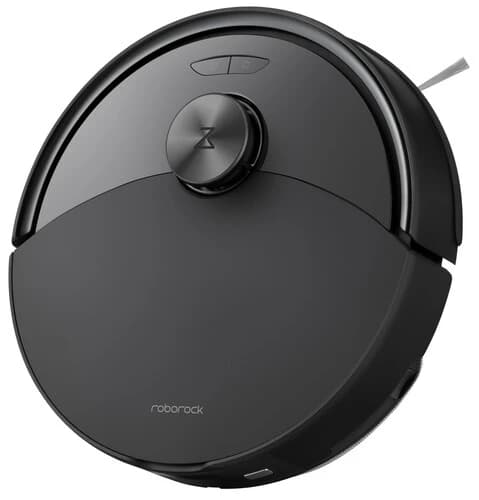
Self-washing, self-emptying, self-refilling. We measured whether the RockDock's convenience survives six months of real use.
11 min read
 9.0
9.0Bench Test
No flyer ID, omnidirectional sensing, 4K/60. We flew 22 missions to find the catch. There isn't much of one.
8 min read
 8.4
8.4Bench Test
The 315X promises a lawn that cuts itself. We measured coverage, edge quality, and what two winters do to the battery.
10 min read
 8.2
8.2Bench Test
£2,800 new, dozens appearing used. We spent a month with the Go2 Pro to answer the only question that matters.
12 min read
 9.3
9.3Bench Test
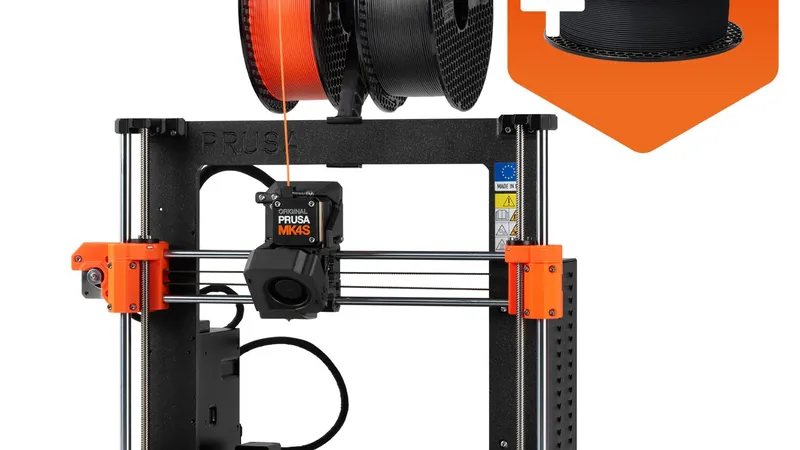
The MK4's pitch is reliability. We logged every failed print across 820 hours to test it. There were four.
9 min read
 7.6
7.6Bench Test
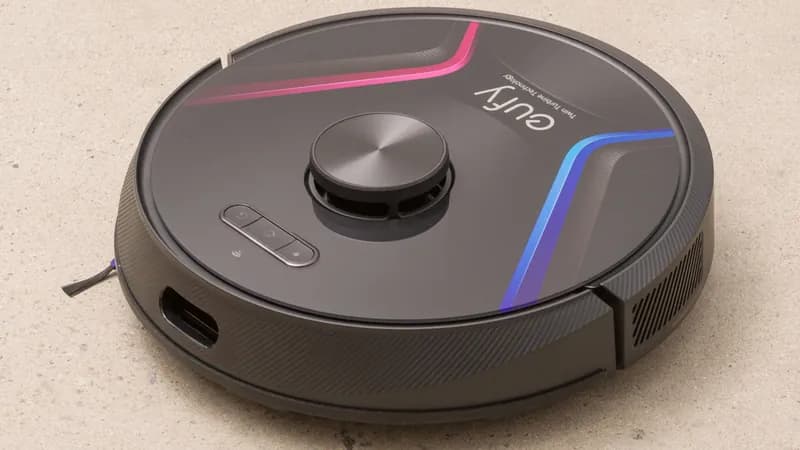
Under £200 used, the X8 promises 80% of the flagship experience. We measured exactly how much it delivers.
7 min read
 8.0
8.0Bench Test
A summer with the UK's most-resold pool robot: wall climbing, waterline scrub, and the filter-clean routine nobody warns you about.
6 min read
Pickup tests use measured debris and bin weighing. Battery claims are runtime-logged, not read off the box.
Scores publish only after a minimum 60 days of daily use. Reliability can't be reviewed in an afternoon.
Every review tracks how the machine ages — battery curves, wear points, spares pricing — because most of our readers buy second-hand.
Every Bench Test score is based on a minimum of 60 days of daily use on a unit bought at retail. The team runs weighed pickup tests (measured debris, weighed bin contents), logs battery runtime against the manufacturer's claimed figures, tracks failure counts and wear progression, and ends each review with a section on who shouldn't buy. Scores are never sponsored and no review units are returned.
Yes — and that's specifically what they're designed for. Most review scores are written for new-in-box buyers. Every Robot AutoTrader Bench Test includes a section on how the machine ages: battery curves over time, wear points, spares pricing, and whether firmware updates are still being issued. These are the questions that matter when buying second-hand.
A Bench Score is a number out of 10 assigned after a structured test period of at least 60 days. It combines measured pickup performance, battery runtime, reliability, noise, companion app quality, and long-term value for used buyers. A score of 8.0 or above is considered very good; 9.0 or above is outstanding. Scores link directly to the full test data.